
Layoffs are always the headline when a corporation with almost 80,000 workers reorganises around AI. That makes sense, but if you manage a small staff, it’s also the least helpful element of the story. What Meta is attempting to create and where it is already encountering difficulties is the more intriguing question.
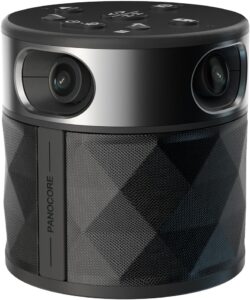
All-in-One Meeting Camera – 360° Conference Cam for PC Mac
Highly Integrated 360° Camera Design: Four cameras, microphones, and speaker are tightly integrated at the chip level, reducing system complexity while delivering…
What actually happened?
Reuters reports that Meta is to begin a first round of layoffs on May 20 that will impact about 8,000 employees, or 10% of its global workforce. Additional layoffs are anticipated later in the year. Treat any further rounds as reported rather than settled since I was unable to verify their specifics or time.
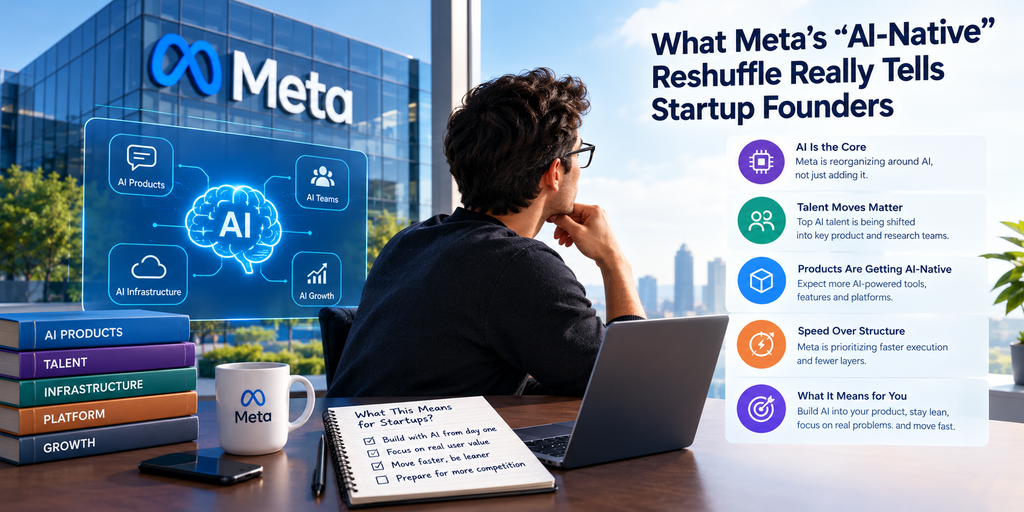
Cuts were just one aspect of the reorganisation. Approximately 7,000 employees would be moved to new AI-focused projects as management layers were trimmed, Meta’s chief people officer informed employees. Applied AI Engineering and an Agent Transformation Accelerator are two new departments dedicated to creating agents capable of performing activities that humans once performed. Central Analytics, another group, is designed to gauge the effectiveness and productivity of those agents.
Meta is not by herself. In two batches, in October and January, Amazon announced almost 30,000 corporate layoffs. This year, big tech has followed a similar pattern: invest substantially in AI infrastructure, then reduce headcount and flatten the organisational ladder to help pay for it.
The part most coverage glossed over
Meta’s reorganization isn’t just “fewer people.” It’s three moves bundled together:
- Cut. Reduce headcount and management layers.
- Redeploy. Push thousands of remaining employees toward building and supervising agents.
- Measure. Create a dedicated team to track whether the agents actually produce value.
Startups typically overlook that third component. Adopting AI tools is simple. It is significantly more difficult to demonstrate that they altered output. Even a corporation this scale doesn’t trust vibes, as seen by Meta’s creation of a measuring team.

Plaud Note Pro AI Voice Recorder Transcribe & Summarize for Meetings Calls
Every conversation is covered, in person, on calls, and online. 4 MEMS + 1 VPU microphones with AI beamforming capture every voice…
Where it got messy
A protest against Meta’s use of mouse-tracking software to train AI systems to mimic human computer use was purportedly signed by over 1,000 employees. Regardless of your opinion of the policy, the response serves as a helpful reminder that using employee behaviour as AI training data creates a trust issue that no efficiency figure can resolve on its own.
Additionally, Meta stated that departing employees would receive healthcare coverage, transition support, and severance pay equal to at least 16 weeks of base pay with additional compensation based on tenure. It’s important to note that a company’s leaving policies affect whether or not its remaining employees think the new model is equitable.
What founders can borrow
You’re not Meta, and copying a 78,000-person playbook into a ten-person team would be silly. But three ideas scale down well:
- Redeploy before you cut. Meta’s biggest move wasn’t layoffs, it was moving thousands of people toward AI work. In a small company, the equivalent is asking which of your current people could own an AI-assisted workflow, before assuming you need fewer or different hires.
- Pick one person to measure. You don’t need a department. You need one owner who can say, with numbers, whether an AI workflow saved hours, cut errors, or raised revenue. Without that, you’re guessing.
- Flatten deliberately, not reflexively. Fewer management layers can speed decisions. But removing them without clarifying who decides what usually just creates confusion.

Ray-Ban Meta (Gen 2) Wayfarer, Matte Black, Clear lenses
Get more done and stay connected without reaching for your phone with AI glasses powered by Meta AI. Capture video recordings, translate…
What not to copy
- Don’t cut based on capability you haven’t tested. In our earlier piece on the job market, we looked at the pattern of companies cutting roles on AI promises and then quietly regretting it. Test the workflow in your own business first.
- Don’t collect employee data for AI training without being open about it. Tell people what’s tracked, why, and what it’s used for. Surprise is what turns a policy into a petition.
- Don’t confuse a big-company reorg with a startup strategy. Meta is offsetting enormous infrastructure spending. Your constraint is probably runway and focus, not payroll optics.
The effectiveness of this is yet unknown to anyone outside of Meta. Agent teams may increase output significantly, but they may also increase coordination costs and subtly erode institutional expertise. In actuality, the business is conducting a massive experiment on itself.
That’s the lesson for founders. You can learn from the design without waiting for the outcome: encourage people to engage with AI, measure honestly, treat employee trust as a true asset, and be wary of anyone, including large corporations, who says they’ve already figured it out.
Send this to the person making the decision if your team is debating how to reorganise around AI. A straightforward methodology for determining whether an AI workflow truly saved time will be released next week.