
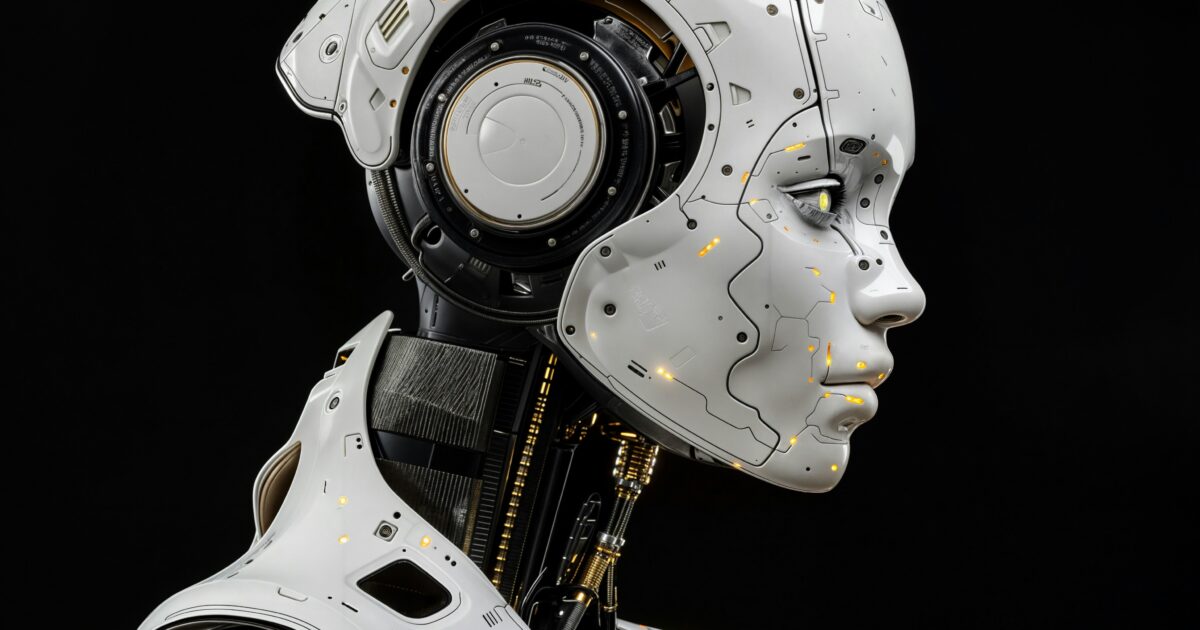
This year, there was a change in the AI sector. For a while, “the next big thing” meant a faster chatbot, a larger model, and a longer context window. The next big thing has a body in 2026. Humanoid robots have evolved from a research-lab curiosity to one of the most actively financed tech categories, and almost all of the top AI companies have made the decision that they must compete.
The Money Is Real, Even If the Robots Aren’t Everywhere Yet
With months remaining in 2026, humanoid robot start-ups have already raised over $8.6 billion, about twice as much as they did in 2025. When you look more broadly at robotics, the figure rises to over $23 billion, almost matching the entire previous year in a fraction of the time.
With a valuation of almost $39 billion and support from companies like Nvidia, Microsoft, and Jeff Bezos, Figure AI is at the front of the heap. Unitree is getting ready for a Shanghai offering, which would make it China’s first publicly traded humanoid robotics company, and has lowered prices to about $16,000 per unit.
Due in part to the lack of a defined industrial safety standard for walking robots, Europe has its own competitor in Humanoid, a London-based business that uses wheels in place of legs. The company is betting that wheeled robots will reach industries more quickly than bipedal ones.
Why Every Major AI Player Suddenly Wants In
This is an almost instantaneous sector-wide shift rather than a single company’s wager. Nvidia released a standardised humanoid robot blueprint for academics during its GTC Taipei conference. Sam Altman of OpenAI started hiring for robotics after declaring it to be the company’s next frontier.
Assured Robot Intelligence, a humanoid firm, was purchased by Meta, which then integrated the group into its Superintelligence Labs. Although production schedules have frequently been delayed, Tesla is still working on Optimus, with public sales now scheduled for the end of 2027.
The common rationale throughout all of them: theoretically, a robot could comprehend and behave in the real world thanks to the same innovations that made chatbots proficient. The category is a “multitrillion-dollar economic opportunity,” according to Jensen Huang of Nvidia, and funding rounds in the industry are beginning to show that type of ambition.
What’s Actually Deployed vs. What’s Still a Demo
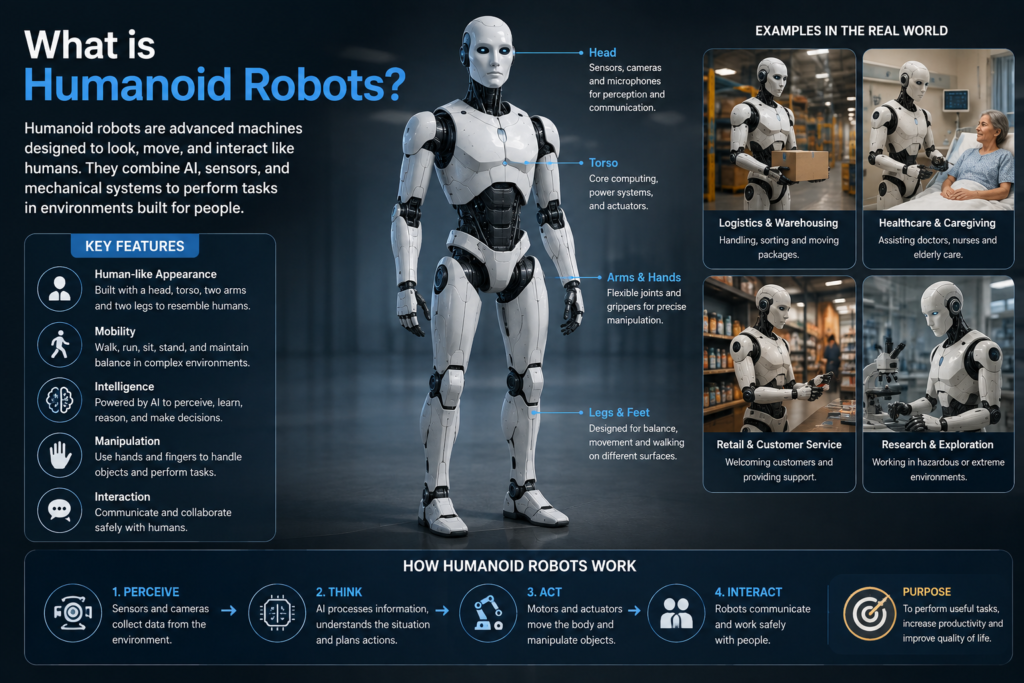
Press coverage often confuses “announced” with “shipping,” so it’s important to be truthful about the current situation. Today, robots are really employed on factory floors at firms such as BMW, Amazon, Mercedes-Benz, and Hyundai, primarily for specific, repetitive jobs in regulated settings.
The majority of general-purpose home robots that are capable of doing erratic, routine chores are still pilot programs and demos rather than commercially available goods.
In that gap, Tesla’s Optimus is a helpful case study: despite years of public updates, manufacturing had not really started as of mid-2026, and analysts following the program have noted several missed milestones. That’s more of a reminder that “we’re shipping thousands of units” and “we showed a working prototype” are quite distinct statements than a critique of the technology.
What This Means If You’re Not Building Robots Yourself
You don’t need to be a robotics company to be affected by this wave. A few practical angles worth watching:
- Supply chain and manufacturing tech companies are seeing new demand from robotics firms building sensors, actuators, and onboard compute.
- The vision-language-action models powering these robots are the same category of AI improving computer-use agents and automation tools – progress in one tends to spill into the other.
- Industrial and logistics companies evaluating automation now have real, funded vendors to talk to, not just research partnerships.
- If you’re raising money in a robotics-adjacent space, investor appetite for the category is unusually high right now — worth factoring into how you position your pitch.
The Bottom Line
at 2026, humanoid robots will be at that weird, genuinely thrilling halfway stage: real money, real deployments in specific environments, yet still a substantial gap between demo reels and reliable goods. The businesses investing billions are wagering that the deficit will narrow quickly.
The fact that Nvidia, OpenAI, Meta, and Tesla are all pursuing the same wager simultaneously is a compelling tale in and of itself, regardless of whether it succeeds.
Crunch Brief tracks where the AI industry is actually placing its bets, subscribe for the weekly rundown.